Why Tulsi is the Queen of Herbs in Ayurveda
Holy basil has been venerated for over 5,000 years for its adaptogenic and antioxidant properties. Here is why it deserves a place in your daily skin ritual.
By TulsiSoap Editorial· 25 May 2026
On this page (3)
A sacred plant with measurable power
In Ayurvedic tradition, Tulsi (Ocimum sanctum) is called the Queen of Herbs. Modern phytochemistry confirms what ancient texts already knew: it is rich in eugenol, ursolic acid and rosmarinic acid — a trio that calms inflammation, balances sebum and protects skin from oxidative stress.
Three reasons tulsi belongs in your routine
- Adaptogenic balance. It helps skin respond to environmental stressors instead of reacting to them.
- Gentle antibacterial action. A natural ally for blemish-prone skin without harsh actives.
- Antioxidant armor. Higher Vitamin C and A density than most synthetic alternatives.
How we use it
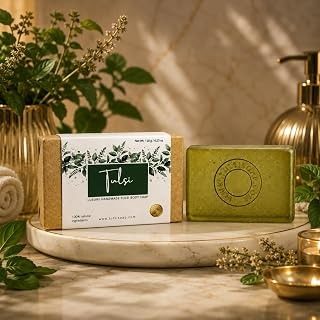
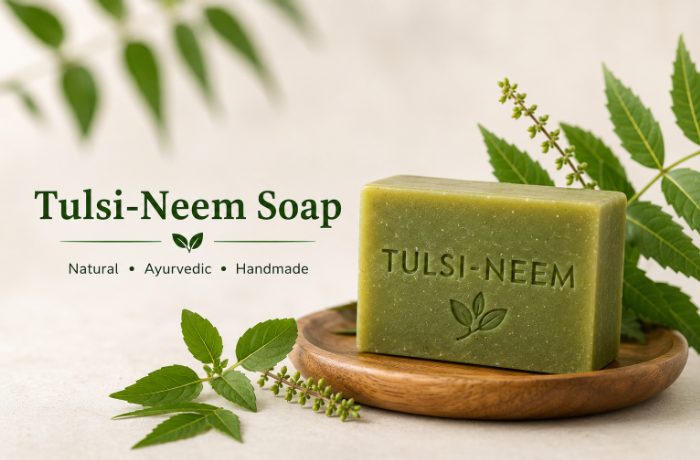
Every TulsiSoap bar uses wild-harvested holy basil from the Himalayan foothills, cold-pressed to preserve its full phytochemical profile.
Enjoyed this? Share it