On this page (17)
- 1. Introduction
- 2. What is Tulsi-Neem Soap?
- History
- Origin
- Traditional Uses
- Modern Uses
- 3. Key Ingredients
- 4. How is Tulsi-Neem Soap Made?
- 5. Benefits of Tulsi-Neem Soap
- 6. Skin Types Suitable For
- 7. How to Use
- 8. How Often Should You Use It?
- 9. Who Should Use It?
- 10. Possible Side Effects
- 11. Market Trends
- 12. Why Choose Tulsi-Neem Soap?
- 13. Buying Guide
1. Introduction
When two of Ayurveda's most trusted herbs come together, the result is something special — and that's exactly what Tulsi-Neem soap offers. Tulsi, known as the Queen of Herbs, and Neem, revered for centuries as a natural skin purifier, combine to create a bar that does far more than just clean your skin.
This soap has become popular among people dealing with acne, excess oil, and everyday skin impurities who want a chemical-free alternative to harsh anti-acne washes. It brings together traditional wisdom and modern skincare needs in one simple, effective bathing bar.
In this guide, we'll cover everything about Tulsi-Neem soap — where it comes from, what's inside it, how it's made, and how to choose the right one for your skin.
2. What is Tulsi-Neem Soap?
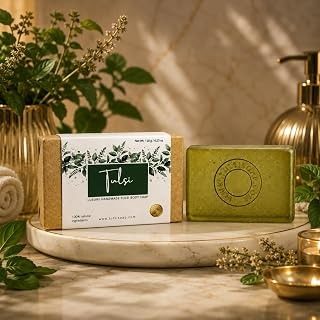
Tulsi-Neem soap is a herbal bathing bar that combines Tulsi (Ocimum Sanctum) and Neem (Azadirachta Indica) oils and leaf powders with nourishing carrier oils like coconut, olive, and castor oil. Together, these ingredients purify the skin, fight bacteria, and help control excess oil.
History
Both Tulsi and Neem have been documented in Ayurvedic texts for thousands of years, individually prized for their purifying and healing properties long before modern skincare existed.
Origin
Both plants are native to the Indian subcontinent and have long been grown in Indian homes — Tulsi for its spiritual significance and Neem for its medicinal versatility.
Traditional Uses
Traditionally, Neem leaves and oil were applied to treat skin infections and irritation, while Tulsi was used for its cleansing and antibacterial qualities — together forming a natural remedy for problem skin.
Modern Uses
Today, both herbs are extracted into oils and powders and blended into soaps like this one, offering an easy, everyday way to access their combined benefits.
3. Key Ingredients
[table]
4. How is Tulsi-Neem Soap Made?
Ingredient Selection: The process starts with sourcing pure Tulsi and Neem oils along with cold-pressed carrier oils, avoiding synthetic fillers.
Oil Selection: Coconut, olive, and castor oils are blended to balance strong cleansing with adequate moisture.
Herbal Extract Preparation: Tulsi and Neem leaves are dried and processed into oils and fine powders, preserving their active compounds.
Mixing Process: Oils and herbal extracts are carefully blended at controlled temperatures to protect their natural properties.
Saponification: The oil blend reacts with a base (lye) in a chemical process that converts it into soap, naturally releasing glycerin along the way.
Molding: The soap mixture is poured into molds and allowed to set into solid bars.
Curing: Handmade Tulsi-Neem soap is cured for several weeks so excess water evaporates, resulting in a harder bar with longer-lasting lather.
Packaging: Cured bars are wrapped to protect against moisture and sunlight, preserving their potency until use.
Commercial manufacturing typically follows similar core steps but often uses melt-and-pour bases enriched with Tulsi and Neem extracts, while handmade cold-process soap retains more of the raw herbal benefits.
5. Benefits of Tulsi-Neem Soap
-
Fights Acne Naturally: Neem's antibacterial action helps target acne-causing bacteria at the source.
-
Controls Excess Oil: Regular use helps minimize the greasy feeling associated with oily skin.
-
Minimizes Pores: Deep cleansing action helps pores appear smaller and less clogged.
-
Deep Cleansing: Removes dirt, sweat, and impurities without over-drying skin.
-
Antibacterial Protection: The Tulsi-Neem combination offers double defense against bacteria.
-
Soothes Irritated Skin: Helps calm inflamed or reactive areas of the skin.
-
Natural Moisture Balance: Glycerin and carrier oils prevent the stripped, tight feeling some acne soaps cause.
-
Antioxidant Support: Helps protect skin from everyday environmental stress.
-
Improves Skin Texture: Herbal exfoliation from leaf powders smooths rough or bumpy skin.
-
Reduces Body Odor: The natural herbal fragrance helps skin feel fresh for longer.
-
Suitable for Daily Use: Gentle enough for regular use without harsh after-effects.
-
Chemical-Free Formula: Free from sulfates and synthetic additives common in commercial anti-acne soaps.
-
Calming Aroma: The natural scent of Tulsi and Neem has a mildly soothing effect while bathing.
-
Supports Clearer Skin Over Time: Consistent use may help reduce recurring breakouts.
-
Eco-Friendly Choice: Biodegradable, plant-based ingredients are gentler on the environment.
-
Family-Friendly: Mild enough for most age groups when used appropriately.
6. Skin Types Suitable For
-
Dry Skin: Glycerin, olive oil, and castor oil help offset Neem's naturally drying tendency.
-
Oily Skin: Tulsi and Neem oils work together to control excess sebum production.
-
Sensitive Skin: The natural formula is gentle, though a patch test is recommended due to Neem's potency.
-
Acne-Prone Skin: This is where the soap shines, thanks to Neem's strong antibacterial properties.
-
Combination Skin: Balances oily zones while carrier oils support drier areas.
-
Normal Skin: Helps maintain clear, balanced skin with regular use.
7. How to Use
-
Daily Face Wash: Lather gently and rinse with lukewarm water, avoiding the eye area.
-
Body Wash: Apply to wet skin, massaging in circular motions before rinsing thoroughly.
-
Bath: Incorporate into your regular bathing routine for a purifying, herbal experience.
-
Morning Routine: Helps clear overnight oil buildup and refresh the skin.
-
Night Routine: Removes the day's dirt, sweat, and pollution before bed.
-
Kids: Use with caution and a patch test first, since Neem is potent.
-
Adults: Can be used as both a facial and body cleansing bar, especially for acne concerns.
8. How Often Should You Use It?
-
Daily: Suitable for once-daily use for oily and acne-prone skin.
-
Weekly: Those with dry or sensitive skin may prefer 3–4 times a week to avoid over-drying.
-
Summer: Excellent for daily use when oil and sweat production increase.
-
Winter: Pair with a moisturizer afterward, since Neem can be slightly drying in cold weather.
-
Rainy Season: Helpful for managing humidity-triggered breakouts and skin congestion.
9. Who Should Use It?
-
Men: A strong, straightforward option for managing oily skin and daily grooming.
-
Women: Suitable for both facial and body cleansing, especially for acne-prone skin.
-
Kids: Use cautiously and only after a patch test, given Neem's potency.
-
Teenagers: Particularly helpful during hormonal breakouts common in teenage years.
-
Senior Citizens: Can be used, though those with very dry, mature skin may prefer to limit frequency.
10. Possible Side Effects
-
Allergies: Some individuals may be sensitive to Neem or Tulsi oil; discontinue if irritation occurs.
-
Patch Test: Always test on a small area of skin 24 hours before regular use, especially for sensitive skin.
-
Storage Tips: Store in a cool, dry place away from direct sunlight and standing water.
-
Safety: For external use only; avoid contact with eyes and rinse immediately if irritation occurs.
11. Market Trends
The herbal soap market in India continues to grow as consumers move away from synthetic anti-acne products loaded with harsh chemicals. Demand for natural, dual-herb formulations like Tulsi-Neem is rising, particularly among younger buyers dealing with acne and oily skin. The broader natural cosmetics industry is expanding as ingredient transparency becomes a priority for shoppers. Consumer preferences increasingly favor recognizable, plant-based ingredients over long synthetic ingredient lists. Eco-friendly packaging has also become an important purchase factor for environmentally conscious buyers. Looking ahead, herbal acne-care soaps are expected to see strong continued growth as natural skincare becomes a mainstream choice rather than a niche one.
12. Why Choose Tulsi-Neem Soap?
Tulsi-Neem soap stands out because it tackles a specific, common problem — acne and oily skin — using two of Ayurveda's most trusted purifying herbs instead of harsh synthetic acne treatments. It doesn't just mask oiliness; it works to naturally control it while calming the skin at the same time. For anyone tired of chemical-heavy anti-acne washes, this combination offers a gentler, more balanced alternative.
13. Buying Guide
Before purchasing Tulsi-Neem soap, check the following:
-
Ingredients: Look for real Tulsi and Neem oil listed clearly, not just fragrance-based imitations.
-
Certifications: Prefer soaps with organic or natural certification marks where available.
-
Fragrance: Choose soaps with natural herbal fragrance over synthetic perfume, which can irritate acne-prone skin.
-
Shelf Life: Check the "best before" date; most handmade soaps last around 36 months.
-
Packaging: Simple, eco-friendly packaging is often a good sign of a genuinely natural product.
From our experience
Our team has worked extensively with natural, handmade soaps and Ayurvedic skincare ingredients. Based on product formulation and customer feedback, Tulsi and Neem consistently stand out for their ability to cleanse the skin effectively without leaving it feeling overly dry. This combination is especially appreciated by people looking for a natural daily cleansing bar that supports balanced, healthy-looking skin.
Conclusion
Tulsi-Neem soap brings together two of Ayurveda's most powerful herbs to tackle one of the most common skin concerns — acne and excess oil. From fighting bacteria to controlling shine and calming irritation, it offers a well-rounded, natural solution for anyone looking to move away from harsh chemical anti-acne products. If clearer, more balanced skin is your goal, this herbal duo is worth adding to your routine.
Ready to give your skin the purifying power of Tulsi and Neem? Explore our handmade Tulsi-Neem soap collection today and take the first step toward naturally clearer skin.
Shop Tulsi-Neem SoapFrequently Asked Questions
What is Tulsi-Neem soap made of?
It is made with Tulsi oil, Neem oil, coconut oil, olive oil, castor oil, glycerin, and Tulsi and Neem leaf powders.
Is Tulsi-Neem soap good for acne?
Yes, Neem's antibacterial properties combined with Tulsi's purifying action make it well-suited for acne-prone skin.
Can Tulsi-Neem soap be used daily?
Yes, though those with dry or sensitive skin may prefer using it a few times a week instead.
Is Tulsi-Neem soap suitable for sensitive skin?
It can be used, but a patch test is strongly recommended since Neem is a potent ingredient.
Can men use Tulsi-Neem soap?
Yes, it works well for men dealing with oily skin and everyday grooming needs.
Sources & Citations
Enjoyed this? Share it