On this page (15)
- 1. Introduction
- Tulsi, often called the "Queen of Herbs," has been part of Indian households for centuries. Today, this sacred plant has found its way into modern skincare in the form of Tulsi soap. People are moving away from harsh chemical soaps and turning toward gentler, plant-based alternatives, and Tulsi soap sits right at the top of that list.
- 2. What is Tulsi Soap?
- History
- Origin
- Traditional Uses
- Modern Uses
- Today, Tulsi is extracted as oil or powder and blended into soaps, face washes, and creams, making its benefits easier and more convenient to use daily.\
- 8. How Often Should You Use It?
- 9. Comparison Table
- \
- 11. Possible Side Effects
- \
- 13. Why Choose Tulsi Soap?
- 14. Buying Guide
1. Introduction
Tulsi, often called the "Queen of Herbs," has been part of Indian households for centuries. Today, this sacred plant has found its way into modern skincare in the form of Tulsi soap. People are moving away from harsh chemical soaps and turning toward gentler, plant-based alternatives, and Tulsi soap sits right at the top of that list.
This soap blends age-old Ayurvedic wisdom with everyday practicality. It cleanses the skin, fights impurities, and leaves behind a soft, refreshed feeling without stripping away natural moisture. Whether you have oily skin, dry skin, or something in between, Tulsi soap has quietly become a bathroom staple for families who want simple, honest skincare.
In this guide, we will walk through everything about Tulsi soap — its origins, ingredients, benefits, how it's made, and how to pick the right one for your skin.
2. What is Tulsi Soap?
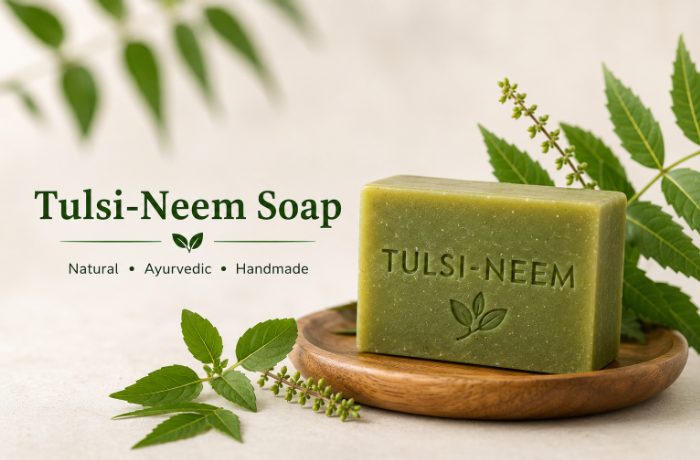
Tulsi soap is a herbal bathing bar made using Tulsi (Ocimum Sanctum), also known as holy basil, combined with nourishing carrier oils like coconut, olive, and castor oil. It is designed to clean the skin while delivering the therapeutic properties Tulsi is known for in Ayurveda.
History
Tulsi has been mentioned in Ayurvedic texts for over 3,000 years. It was traditionally used in oils, pastes, and infusions to treat skin irritation, infections, and everyday blemishes.
Origin
The plant is native to the Indian subcontinent and is considered sacred in Hindu households, often grown in courtyards and used in daily rituals as well as home remedies.
Traditional Uses
In traditional practice, Tulsi leaves were crushed and applied directly to the skin to treat acne, insect bites, and minor wounds, thanks to their natural antibacterial properties.
Modern Uses
Today, Tulsi is extracted as oil or powder and blended into soaps, face washes, and creams, making its benefits easier and more convenient to use daily.\
3. Key Ingredients
[table]
4. How is Tulsi Soap Made?
Ingredient Selection: Quality begins with sourcing pure Tulsi oil, cold-pressed carrier oils, and food-grade glycerin, avoiding synthetic fillers.
Oil Selection: A blend of coconut, olive, and castor oil is chosen to balance cleansing power with moisture retention.
Herbal Extract Preparation: Tulsi leaves are dried and processed into oil or fine powder, preserving their natural potency.
Mixing Process: Oils, Tulsi extracts, and other actives are carefully blended at controlled temperatures to protect their properties.
Saponification: The oils react with a base (lye) in a chemical process that converts them into soap, releasing glycerin naturally in the process.
Molding: The soap mixture is poured into molds and left to set into bars.
Curing: Handmade Tulsi soap is cured for several weeks, allowing excess water to evaporate and the bar to harden for a longer-lasting lather.
Packaging: Finished bars are wrapped to protect them from moisture and sunlight, preserving freshness until use.
Commercial manufacturing follows similar steps but at a larger scale, often using melt-and-pour bases with added Tulsi extracts, while handmade soap-making retains more of the raw, cold-process benefits.
5. Benefits of Tulsi Soap
-
Deep Cleansing: Removes dirt, sweat, and excess oil without over-drying skin.
-
Antibacterial Protection: Tulsi's natural compounds help fight acne-causing bacteria.
-
Reduces Acne and Breakouts: Regular use can calm inflamed, blemish-prone skin.
-
Soothes Irritation: Helps calm minor rashes and skin discomfort.
-
Natural Moisture Balance: Glycerin and oils prevent the skin from feeling stripped.
-
Antioxidant Protection: Vitamin E and Tulsi help protect skin from everyday environmental stress.
-
Improves Skin Texture: Gentle exfoliation from Tulsi powder smooths rough patches.
-
Reduces Body Odor: Tulsi's natural fragrance helps keep skin feeling fresh longer.
-
Suitable for Daily Use: Mild enough for everyday bathing without harsh after-effects.
-
Chemical-Free Formula: Free from sulfates and synthetic additives found in many commercial soaps.
-
Calms Stress: The natural aroma of Tulsi has a mild calming effect during bathing.
-
Supports Even Skin Tone: Consistent use may help reduce dullness over time.
-
Gentle on Sensitive Skin: The glycerin base makes it comfortable for reactive skin types.
-
Eco-Friendly Choice: Biodegradable, plant-based ingredients are kinder to the environment.
-
Family-Friendly: Mild enough for most age groups, from teens to seniors.
-
Rich, Creamy Lather: Provides a spa-like bathing experience at home.
6. Skin Types Suitable For
-
Dry Skin: The glycerin, olive oil, and castor oil combination helps replenish lost moisture.
-
Oily Skin: Tulsi oil helps control excess sebum and reduces greasiness.
-
Sensitive Skin: The natural, chemical-free formula is gentle and less likely to irritate.
-
Acne-Prone Skin: Antibacterial Tulsi properties help manage breakouts.
-
Combination Skin: Balances oily and dry zones without over-treating either.
-
Normal Skin: Maintains healthy, balanced skin with regular use.
7. How to Use
-
Daily Face Wash: Lather gently and rinse with lukewarm water, avoiding the eye area.
-
Body Wash: Use on wet skin, massaging in circular motions before rinsing thoroughly.
-
Bath: Add to your regular bathing routine for an Ayurvedic, refreshing experience.
-
Morning Routine: Helps wake up the skin and remove overnight oil buildup.
-
Night Routine: Cleanses away the day's dirt and pollution before bed.
-
Kids: Suitable for gentle use, though a patch test is recommended first.
-
Adults: Can be used as both a facial and body cleansing bar.
8. How Often Should You Use It?
-
Daily: Safe for once or twice daily use for most skin types.
-
Weekly: Those with very sensitive skin may prefer 3–4 times a week.
-
Summer: Great for daily use to control sweat and excess oil.
-
Winter: Pair with a moisturizer afterward since cold weather can dry out skin faster.
-
Rainy Season: Helpful for managing humidity-related breakouts and odor.
9. Comparison Table
[table]
\
10. Who Should Use It?
-
Men: A simple, effective option for daily grooming without added fragrance chemicals.
-
Women: Suitable for both facial and body cleansing routines.
-
Kids: Mild enough for children's sensitive skin, subject to a patch test.
-
Teenagers: Helpful for managing acne and oily skin during hormonal changes.
-
Senior Citizens: Gentle formula suits mature, thinner skin that needs extra care.
11. Possible Side Effects
-
Allergies: Rare, but some individuals may be sensitive to Tulsi or essential oils.
-
Patch Test: Always test on a small area of skin 24 hours before regular use.
-
Storage Tips: Keep in a cool, dry place away from direct sunlight and water pooling.
-
Safety: For external use only; avoid contact with eyes and discontinue if irritation occurs.
\
12. Market Trends
The herbal soap market in India has been growing steadily as consumers actively shift away from synthetic, chemical-laden products. Demand for organic, Ayurvedic personal care is rising across age groups, driven by awareness of ingredient transparency. The broader natural cosmetics industry is expanding as more brands emphasize plant-based formulations. Consumer preferences increasingly favor products with visible, understandable ingredients over long chemical names. Eco-friendly packaging, such as recyclable wrappers and minimal plastic use, has become a competitive differentiator. Going forward, the herbal and Ayurvedic soap segment is expected to see continued growth as wellness-focused buying habits become mainstream.
13. Why Choose Tulsi Soap?
Tulsi soap stands out because it combines centuries of Ayurvedic trust with practical, everyday skincare needs. It doesn't rely on synthetic fragrances or harsh detergents to clean — instead, it uses time-tested botanical ingredients that work with your skin, not against it. For anyone looking to simplify their routine with fewer, more meaningful ingredients, Tulsi soap is a dependable choice.
14. Buying Guide
Before purchasing Tulsi soap, check the following:
-
Ingredients: Look for real Tulsi oil or leaf powder listed near the top of the ingredient list.
-
Certifications: Prefer soaps with organic or natural certification marks where available.
-
Fragrance: Choose soaps with natural essential oil fragrance over synthetic perfume.
-
Shelf Life: Check the "best before" date; most handmade soaps last around 36 months.
-
Packaging: Eco-friendly, minimal packaging is often a sign of a genuinely natural product.
From our experience
Our team has researched Ayurvedic skincare ingredients, traditional soap-making methods, and modern botanical formulations to create educational content that helps readers choose the right handmade herbal soap for their daily skincare routine.
Conclusion
Tulsi Soap combines the timeless wisdom of Ayurveda with modern skincare needs, offering a gentle yet effective cleansing experience for all skin types. Enriched with Tulsi, nourishing botanical oils, and natural ingredients, it helps cleanse impurities, maintain skin moisture, and promote a healthy-looking glow. Whether you're switching to herbal skincare or looking for a premium handmade bathing bar, Tulsi Soap is a natural choice for daily wellness. Experience the benefits of nature with every bath and make Tulsi Soap part of your everyday skincare routine.
Discover the power of Ayurveda with our premium handmade Tulsi Soap. Shop now and experience naturally healthy, refreshed, and radiant skin every day.
Shop Tulsi SoapFrequently Asked Questions
What is Tulsi Soap made of?
Tulsi Soap is made with Tulsi extract, Coconut Oil, Olive Oil, Castor Oil, Glycerin, and other skin-nourishing botanical ingredients.
Is Tulsi Soap suitable for daily use?
Yes. Tulsi Soap is gentle enough for daily bathing and suitable for most skin types.
Sources & Citations
Enjoyed this? Share it